Concrete Strengths & Grades
Learn more about the various strengths and grading of concrete, available to order for projects across London, Kent, Essex and the surrounding regions.
Call for today’s best price:

 Concrete Calculator | Solve Your Estimation Problems And Work out the amount of concrete you need.
Learn more about the various strengths and grading of concrete, available to order for projects across London, Kent, Essex and the surrounding regions.
Call for today’s best price:



We offer a great selection of concrete types to suit varying applications. Our comprehensive range of concrete, allows us to help our customers with projects of any type and size, from minor domestic works to major commercial applications.
The three types of concrete we provide are on-site mixed concrete, ready-mixed concrete, volumetric concrete. and many more concrete products and services.
We can supply any strength and grade of concrete for customers across London, Kent, Essex and the surrounding areas. If you need concrete for your project, give us a call on 0800 652 9209 today!
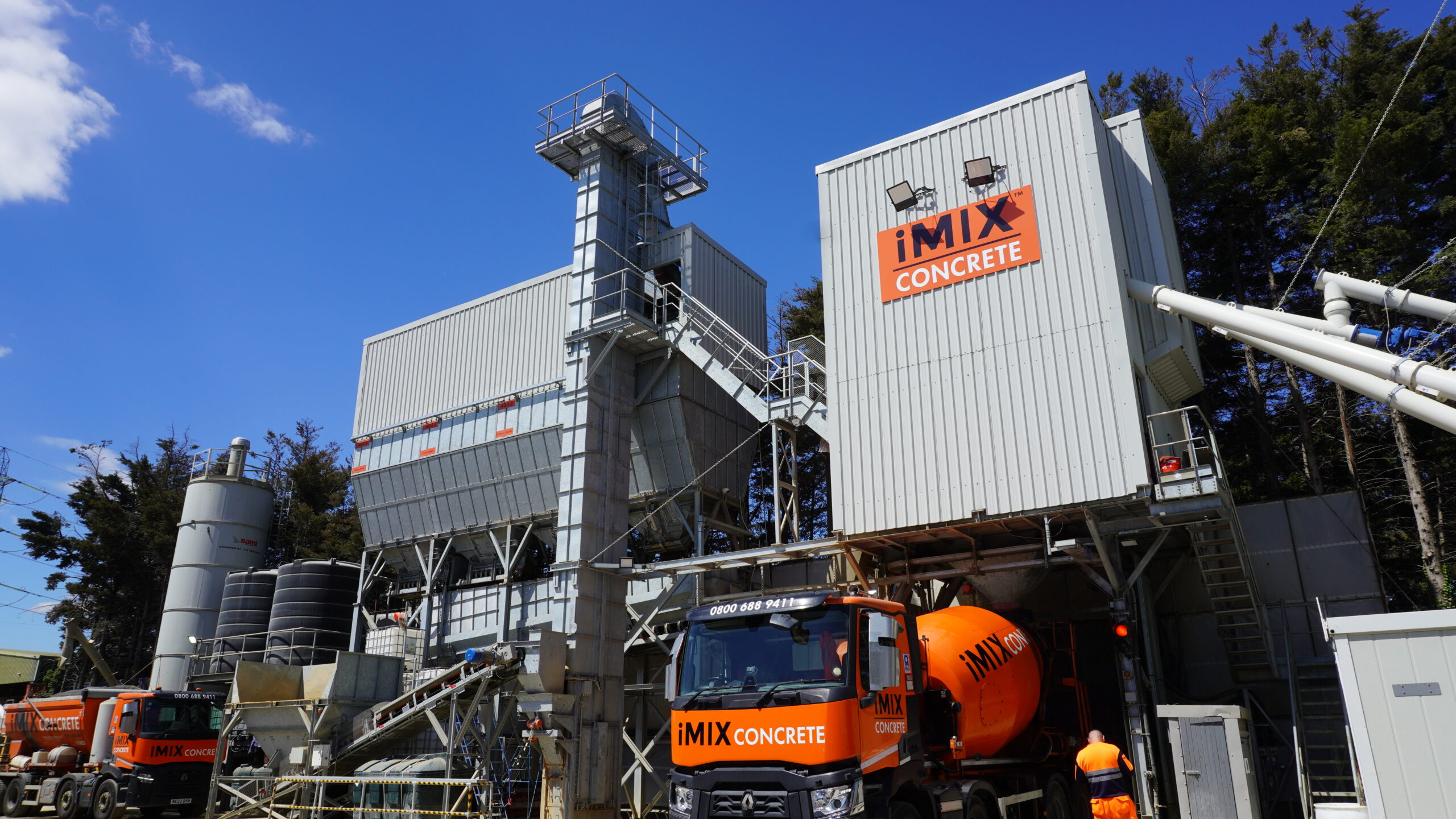
From flooring to foundations, patios to driveways, the concrete used in a project needs to be strong enough to cope with the loads it is expected to withstand. Concrete strength is measured by the weight it can withstand 28 days after it has been laid and cured.
Our concrete strengths range from grade C8 with a strength of 8 newtons, to C40 with a strength of 40 newtons. C8 is designed for kerb backing and bedding. C40, our strongest concrete, is designed to withstand heavy-duty loads.
We offer all different grades of concrete to cater for different requirements and applications. Our gradings range from C8 – a wet mix concrete used for kerb backing and bedding – and C10 concrete for drainage works to C40 concrete for structural usage and farming.
We also offer PAV 1 and 2 concrete grades, which include air-entrainment additives that help protect the surface from freeze-thaw problems.
The concrete grade is determined by the strength. The strength of the concrete is measured in newtons. The higher the strength, the higher the grade. See our guide how do you determine a grade of concrete for more details.
Scroll down to see an overview for each concrete strength and grade, or click the buttons below to learn more.
ACEC stands for “aggressive chemical environment for concrete” class. It’s a classification system used to determine how concrete will be affected by exposure to chemicals, sulfates, and acids in groundwater.
ACEC concrete is categorized into three classes based on exposure conditions and performance requirements:
Formulated to resist acidic environments, making it suitable for industries handling corrosive substances, such as chemical plants and wastewater facilities. AC classes include AC-1, AC-2, AC-3, AC-4 and AC-5, as well as the ACz range.
Designed for long-term strength and resilience against environmental stressors, including freeze-thaw cycles, abrasion, and sulfate attack. Commonly used in marine structures, tunnels, and foundations. DC classes include DC-1, DC-2, DC-3, DC-4 and DC-5, as well as an DCz range.
Specifically developed to counteract sulfate-induced deterioration, ensuring longevity in areas with high sulfate concentrations, such as sewage systems and groundwater-exposed structures. DS classes include DS-1, DS-2, DS-3, DS-4 and DS-5.
By using optimized mix designs based on the limiting values associated with these categories, ACEC concrete enhances structural integrity, minimizes maintenance costs, and extends service life in extreme conditions.
The exposure classification in EN 206 is based upon the deterioration process of concrete in extreme environments. Using the complimentary standard BS 8500 the following classes are determined:
Designed for concrete that is open to chemical attack due to moisture in the environment. Classes are XA1, XA2 and XA3.
Designed for concrete containing reinforcement or other embedded metal that is exposed to air and moisture. Classes are XC1, XC2, XC3 and XC4.
Designed for reinforced concrete in contact with water containing chlorides, and other sources of salt water. Classes are XD1, XD2 and XD3.
Designed for reinforced concrete in contact with sea water. Classes are XS1, XS2 and XS3.
Designed for concrete exposed to severe attack from freeze-thaw cycles while wet. Classes are XF1, XF2, XF3 and XF4.
We mix this type of concrete at the site of your project – this allows us to alter the mix as we go, which means we can accommodate for changes in requirements, such as more concrete being needed or a different grade being required. The refinable nature of this concrete means the perfect amount will always be created – no more, no less.
This is a batch of concrete created beforehand, at our batching plant. It’s designed according to the specific requirements of the customer.
Mixed in a volumetric mixing truck, this concrete’s popularity is mainly down to the fact it can be mixed to the precise amount required – no shortages and no surplus of concrete.
We also offer screed, graded at 4:1 and 5:1 for internal flooring work, whether that’s a sub-layer to prepare the floor for a finish, or whether it’s the finish itself.











Use our calculator to get a quote.
Working out the amount of concrete you need for a job can be difficult to do, especially if it’s your first time using it for a project. Ending up with too much concrete volume can be unnecessarily costly, and ending up with too little means delays to your work. Luckily, our concrete calculator (UK) solves all your estimation problems and lets you know exactly how much concrete you’ll need for your project.
Whether it’s the amount of ready mixed concrete to be used for concrete slabs, or working out how much needs to be combined with coarse aggregate, we’ve got the solution.
To place your order or to discuss your requirements further please contact our friendly team today.
More Calculators → Order Now → Independent Supplier
We are an independent concrete supplier meaning service and quality is of utmost importance and key.
BSI AccreditedWe are BSI accredited meaning all of our procedures and processes are rigorously controlled
Quality MaterialsWe only use primary materials meaning we do not compromise on quality.
Dedicated Support TeamDedicated sales and technical support ensuring a seamless order process.
Here at iMIX Concrete, we can serve customers across the South East
With our fleet of vehicles, we can provide same day/next day delivery on most of our products or services