
CONCRETE CALCULATOR
Use our calculator to get a quote.
Concrete is one of the toughest, most durable and impressive building materials in existence, with the ability to withstand challenging weather conditions for decades.
But, even the very best concrete can experience small cracks over time.
Generally speaking, small cracks (known as hairline cracks) are normal, and can be avoided or fixed relatively easily.
But, if your concrete was not correctly installed or if it is nearing the end of its lifespan, then you may see larger cracks in the concrete. If this occurs, it can indicate a more serious issue.
In most cases, hairline cracks are simply part of the concrete curing process, and don’t affect the strength, performance or lifespan of the concrete. As a general rule, cracks that are less than ⅛ inch (around 3mm) wide are usually not a concern.
However, cracks that are wider, or go deep into the concrete, need to be investigated carefully.
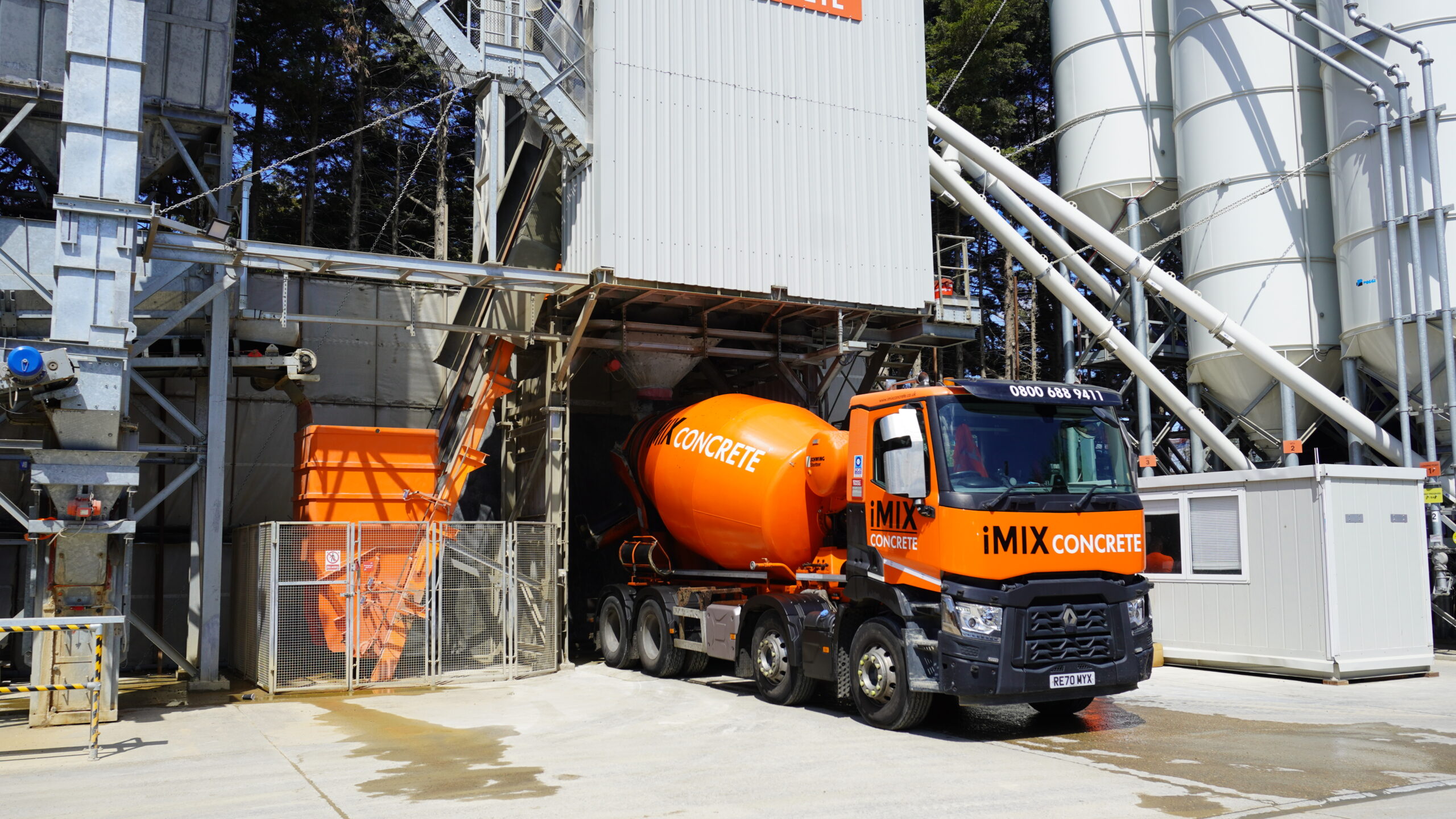
In this article, the team at iMix Concrete outline the most common reasons why concrete cracks, and best practices for minimising this risk.
Common Reasons Concrete Cracks
There are several reasons why your concrete might crack, from large crack to hairline cracks – here are the most common reasons for cracks, and the best methods for avoiding them.
Shrinkage During Curing
Shrinkage during the curing process is one of the most common causes of concrete cracks.
As the concrete dries and hardens, excess water evaporates from the mix. This causes the concrete to shrink slightly. This can create tension, resulting in small surface cracks appearing.
In most cases, these hairline cracks are completely normal and don’t impact the concrete’s strength or lifespan.
To reduce the risk of shrinkage cracking:
Do:
- Use the best fit concrete mix for the job.
- Keep the concrete at the correct moisture level whilst it cures.
- Install control joints, to help manage the movement.
Don’t:
- Allow fresh concrete to dry out too quickly.
- Assume the concrete has finished curing, just because it feels hard on the surface.
Thermal Movement
As temperatures change, concrete naturally moves. It expands when temperatures rise, and contracts as they drop.
Over time, this ongoing movement can create stress within the concrete. Then, if the concrete doesn’t have enough room to expand and contract, cracks can start to develop.
This is particularly common with larger concrete slabs, where movement can be more significant.
To reduce this risk:
Do:
- Include expansion or movement joints (where suitable).
- Plan larger concrete pours more carefully, to accommodate natural movement.
Don’t:
- Fail to consider additional measures, like joints
Poor Sub-base Preparation
If the foundation for your concrete isn’t properly prepared or compacted, over time, sections of the slab can settle unevenly. If this occurs, it adds significant additional stress to the concrete, making cracks much more likely.
To reduce this risk:
Do:
- Before pouring, ensure the sub-base is level, stable and properly compacted.
- Make sure you select the correct sub-base material for the project.
Don’t:
- Pour the concrete directly onto loose or uneven ground.
- Attempt to proceed with poorly prepared ground.
Incorrect Mix
If you use the wrong concrete mixture, this can increase the risk of cracking. This is because different projects need different concrete properties and strength levels. So, an unsuitable mix can impact durability and performance.
To reduce this risk:
Do:
- Choose the right concrete mix for the project.
- Ensure you purchase ready-mix concrete from a trusted, qualified supplier.
Don’t:
- Add extra water, to try to make the concrete easier to work with. Over the long term, this weakens the concrete and increases the amount of shrinkage during curing.
- Assume that there’s one single concrete variety that’s suitable for any project.
Overloading
Concrete is designed to support a certain, precise amount of weight.
So, if it is regularly subjected to loads that exceed this limit, cracks can form.
In extreme cases, overloading can lead to permanent structural damage.
To reduce this risk:
Do:
- Ensure the specification of your concrete mix matches its intended use.
- Consider both current and future loading requirements, when choosing your concrete.
Don’t:
- Proceed with the project, if you’re not sure whether your concrete will be strong enough.
How to Fix Concrete Cracks
If hairline concrete cracks do occur, they usually don’t require major repairs.
So long as the crack is small, shallow and shows no signs of structural issues, it can usually be repaired by cleaning the area, then filling it using a suitable concrete crack repair product.
However, if the crack is larger or you see signs of accompanying structural issues, then you should get this investigated urgently.
Arrange for a specialist to investigate the issue, and provide an assessment on what your next steps should be.
Minimising the Risk right from the Start
By using the right concrete mix, preparing the ground correctly and following proper curing practices, you can minimise the risk of concrete cracking, and enhance the final visuals and predicted lifespan of the finished concrete.
At iMix Concrete, we supply premium quality ready-mix concrete for domestic and commercial projects across the UK. With our assistance, you can secure the very best end results for your project.


